Reading time: 5 minsThe stadium lights are off, your gear is packed away, and you are finally back in your room.
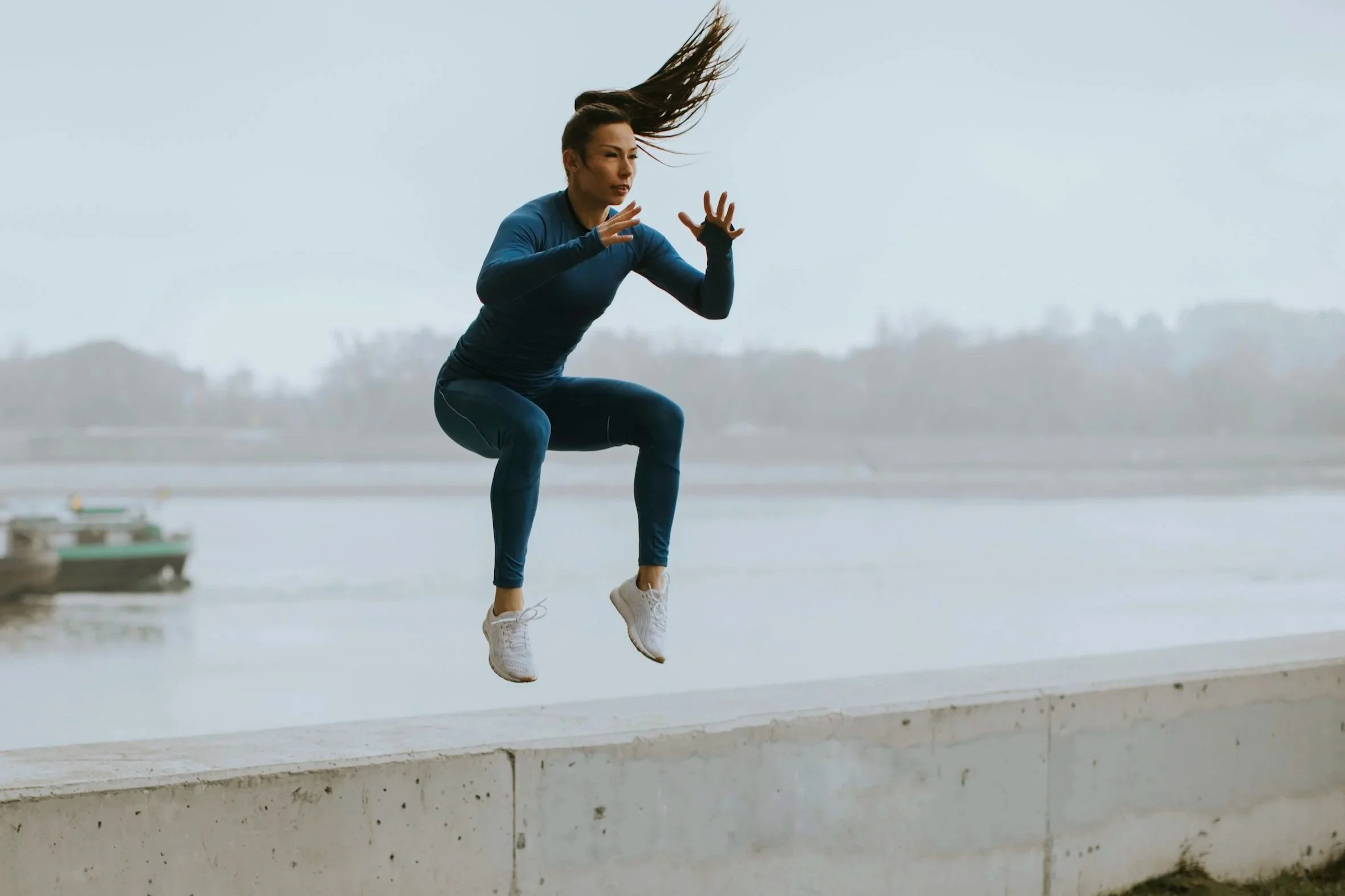
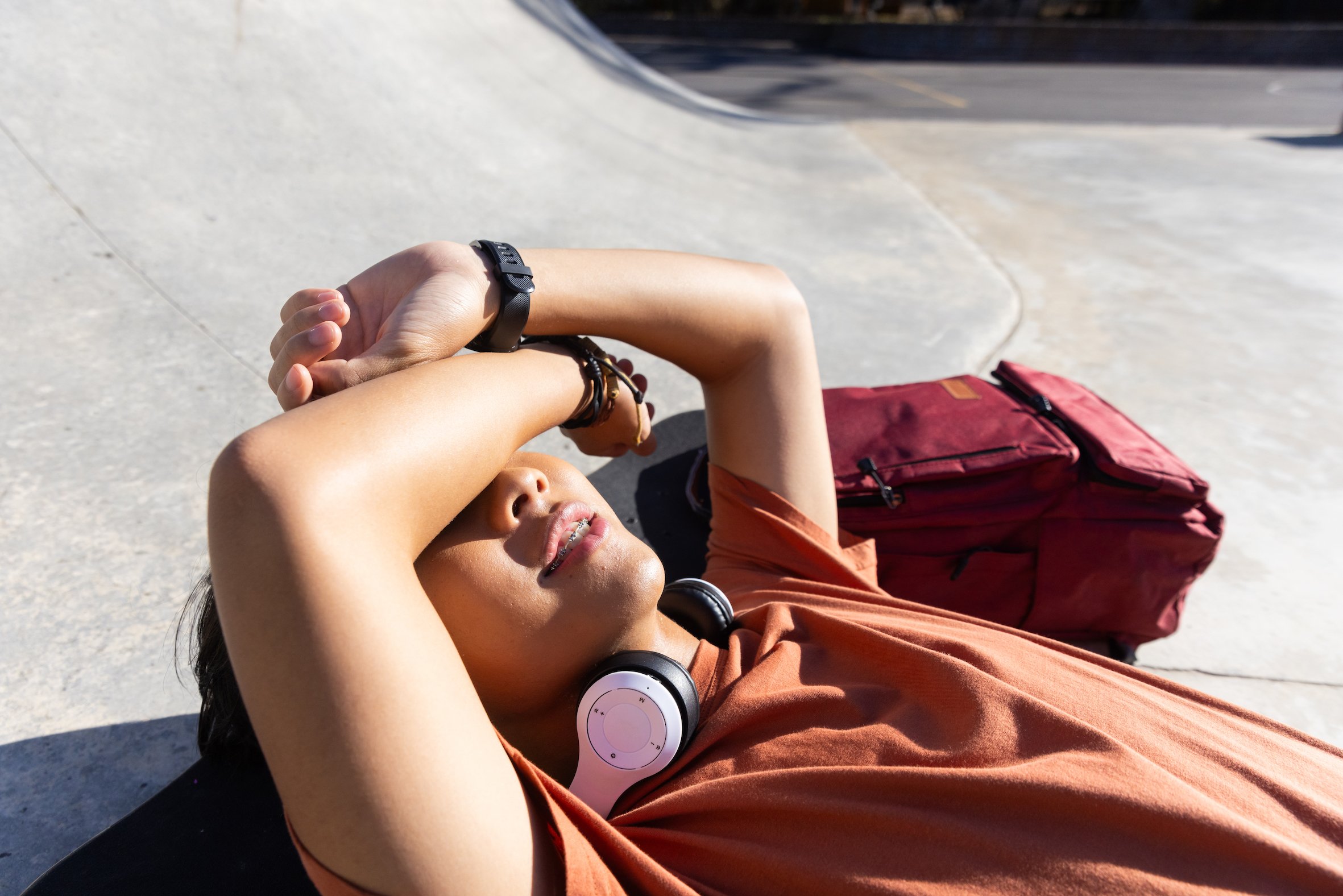
You are physically exhausted—your legs are heavy, your joints ache, and you’ve given 110% on the pitch or court.
You climb into bed, close your eyes, and wait for the sweet release of sleep.
And you wait. And you wait.
Two hours later, you are staring at the ceiling, your heart is still pounding in your chest, and your mind is replaying that missed opportunity or celebrating that final play on a continuous loop.
It is one of the most frustrating paradoxes in sport: the harder you train or compete, the harder it can be to fall asleep. Sleep complaints affect up to 78% of elite athletes, and late-night games or training sessions are the absolute biggest triggers.
If you are tired of tossing and turning after a late-night match, you don’t need sleeping tablets that leave you groggy the next morning.
You need a way to rapidly hack your biology.
Let’s look at why your brain refuses to shut down after a game, and how you can use Yoga Nidra to fall asleep fast, protect your recovery, and wake up ready to dominate.
The Post-Game Brain: Why You Are "Wired but Tired"
To fix your post-game insomnia, you first have to understand that your body isn't actually trying to sabotage you.
It is simply doing what it was evolved to do.
Competing in a high-intensity sport is, to your primitive brain, the equivalent of fighting off a predator.
When you play a game, three main systems are thrown completely out of whack:
1. Autonomic Hyperarousal
During competition, your sympathetic nervous system ("fight-or-flight") is running at maximum capacity.
Your body floods with adrenaline, noradrenaline, and cortisol.
These stress hormones elevate your heart rate, increase blood pressure, and put your brain on high alert.
When the game ends, this hormonal surge doesn't just disappear.
Your central nervous system remains in a state of hyperarousal, keeping your body physically prepared for action long after you have crawled under the duvet.
2. Core Body Temperature
Your circadian rhythm (internal clock) relies heavily on temperature cues to initiate sleep.
Naturally, your core body temperature drops in the evening to prepare you for rest.
However, intense exercise spikes your core temperature.
If you finish playing late at night, your body is still radiating heat hours later.
Until your core temperature drops, your brain will not release melatonin—the hormone that makes you feel sleepy.
3. Cognitive Rumination
Whether you won or lost, your brain is swimming in dopamine.
You are either riding the high of a victory or obsessively dissecting your mistakes.
This mental chatter keeps your prefrontal cortex highly active, preventing you from slipping into the quiet mental state required for sleep onset.
Enter Yoga Nidra: The Ultimate Post-Game Sleep Hack
If you try to lie still and "force" yourself to sleep when you are in a state of hyperarousal, your anxiety will only increase, spiking your cortisol even further.
You cannot think your way out of a physiological stress response. You have to use a physical tool.
Yoga Nidra (which translates to "yogic sleep") is a guided, mindfulness-based relaxation practice performed lying down. Unlike seated meditation, which can feel frustratingly difficult when your mind is racing, Yoga Nidra gives your brain a specific set of sensory instructions to follow.
It is specifically designed to reduce sleep onset latency—the exact amount of time it takes you to go from fully awake to fast asleep.
A randomised controlled trial on athletes found that incorporating Yoga Nidra significantly reduced subjective sleep onset latency and dramatically increased overall sleep efficiency compared to standard relaxation protocols.
Here is how Yoga Nidra physically rewrites your post-game biology to put you to sleep:
It Pulls the Sympathetic Emergency Brake
Yoga Nidra relies heavily on systematic breathwork—specifically, making your exhalations significantly longer than your inhalations.
This breathing pattern stimulates your vagus nerve, which instantly sends a chemical message to your heart to slow down.
It forcibly shifts your nervous system out of "fight-or-flight" and activates the parasympathetic ("rest and digest") branch, lowering your heart rate and preparing your tissues for rest.
It Shuts Off Cognitive Rumination
During a Yoga Nidra session, you are guided through a systematic "body scan" (paying attention to your thumb, then your index finger, then your wrist, and so on).
This sensory tour does something brilliant: it hijacks your brain's attention.
Your brain cannot process the anxiety of a missed play while simultaneously focusing on the sensory feeling of your left ankle.
By anchoring your mind to physical sensations, it stops mental chatter and quiets the brain's default mode network (the region responsible for overthinking).
It Mimics Natural Sleep Architecture
As you follow the guided audio, your brainwaves naturally slow down.
You transition from alert Beta waves, through relaxed Alpha waves, and straight into Theta and Delta waves.
Delta waves are the signature brainwaves of deep, slow-wave sleep—the highly restorative phase where your body releases growth hormone to rebuild muscle tissue.
By guiding your brainwaves into these deeper states, Yoga Nidra serves as a bridge, gently carrying your mind into natural sleep without the jarring transition that hyperaroused athletes struggle with.
To learn more about the science and spirit of Yoga Nidra, read this article here.
The Post-Game "Wind-Down" Protocol
To get the best results, do not wait until you are already frustrated in bed to start your relaxation routine.
Create a systematic buffer zone between the stadium and the sheets.
1.Cool your core down first: Post-Game.
Take a lukewarm or slightly cool shower after your game. While a hot shower feels nice, it raises your core body temperature further.
A cool shower helps lower your internal thermostat, signalling to your brain that it is time to wind down.
2.Cut off high-intensity stimulation: 1 Hour Before Bed.
Turn off sports highlights, put away game footage, and stop analysing statistics.
Turn down the lights in your room to allow your natural melatonin production to begin.
3.Set up your audio: In Bed.
Get fully into your sleeping position.
Put on an eye mask to block out light, slip in your headphones, and cue up a 20-to-30-minute Yoga Nidra track.
4.Follow the voice, let go of the goal: During.
As the track plays, do not "try" to fall asleep. That pressure will only keep you awake.
Simply follow the speaker's voice. If you fall asleep during the track (which most athletes do), let it happen. If you stay awake until the end, you will still rise in a deeply relaxed, parasympathetic state, ready to drift off naturally.
The Verdict: Don't Fight Your Biology, Direct It
Struggling to sleep after a high-stakes game or an intense late-night training session is a completely normal physical response to stress and excitement.
You are not broken; your body is simply still geared up for battle.
Instead of fighting your racing thoughts or lying in bed feeling frustrated, use Yoga Nidra to take control of your autonomic nervous system.
By spending just twenty minutes guiding your brain from hyperarousal into deep, restorative rest, you can slash your sleep latency, maximise your recovery window, and ensure you wake up the next morning feeling like an athlete, not a zombie.
Now, switch off the screens, put in your headphones, and let the guide do the hard work of shutting your brain down for the night. You've earned the rest.
References & Bibliography
Read This Next